
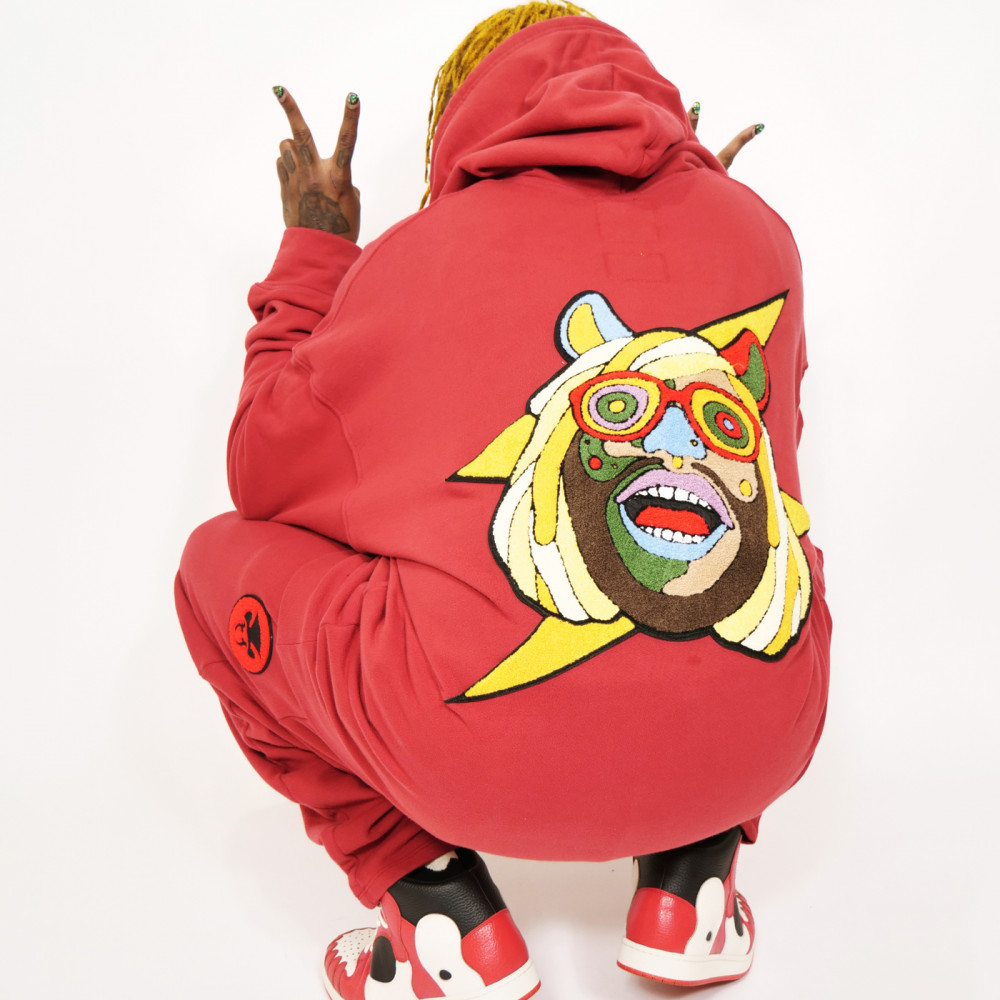
Thundercat
On Brainfeeder
BIOGRAPHY
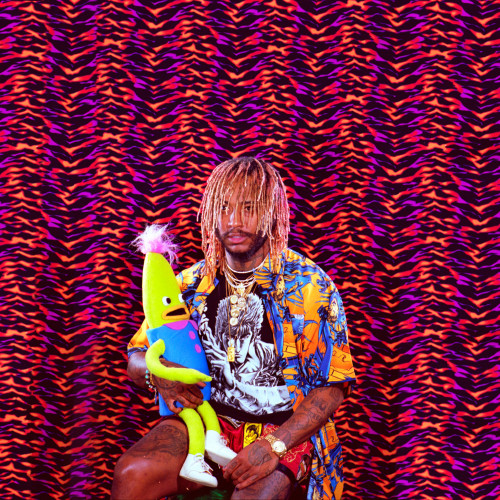
Thundercat is the virtuoso bassist & singer Stephen Bruner, a mercurial talent and multi-GRAMMY award winner. Having released “The Golden Age of Apocalypse” (2011), “Apocalypse” (2013), and “Drunk” (2017) which completed his transition from virtuoso bassist to bonafide star and cemented his reputation as a unique voice transcending genre. He was “at the creative epicenter” of the 21st century’s most influential hip-hop album Kendrick Lamar’s “To P...
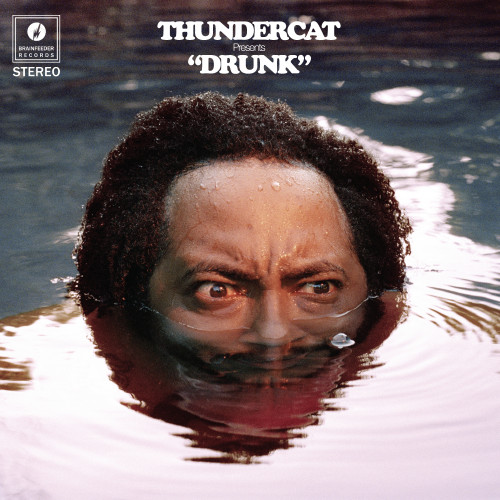
Thundercat is the virtuoso bassist & singer Stephen Bruner, a mercurial talent and multi-GRAMMY award winner. Having released “The Golden Age of Apocalypse” (2011), “Apocalypse” (2013), and “Drunk” (2017) which completed his transition from virtuoso bassist to bonafide star and cemented his reputation as a unique voice transcending genre. He was “at the creative epicenter” of the 21st century’s most influential hip-hop album Kendrick Lamar’s “To Pimp A Butterfly”, and he won a GRAMMY for his collaboration on the track ‘These Walls’. In 2018 Thundercat and Flying Lotus composed an original score for an episode of Golden Globe and Emmy award winning TV series “Atlanta” (created and written by Donald Glover).
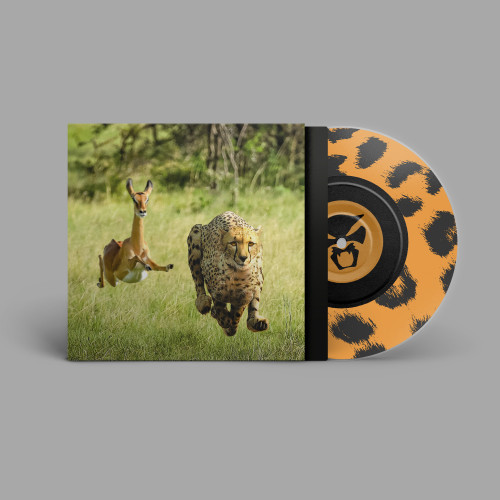
With his first new song in three years, Thundercat links with Tame Impala for a brand new single, “No More Lies,” out now on Brainfeeder. A musical match made in heaven, the duo of Bruner and Parker is an electrifying union. With “No More Lies,” the pair hits the sweet spot between their two individual, complementary styles with laser accuracy.
Outside of his solo work, Thundercat keeps busy across numerous genres, with recent collaborations on releases from Gorillaz, Silk Sonic (Bruno Mars & Anderson Paak), HAIM, H.E.R., KAYTRANADA, Kenny Beats, and JID, as well as contributing original songs for film & TV including Yasuke, Insecure and MINIONS: The Rise of Gru.
Outside of music, Thundercat, made his television debut with a recurring role as The Modifier in the Star Wars series 'The Book of Boba Fett,' and appeared as the face of recent fashion/brand campaigns for Kerwin Frost and Kenny Beats, as well as attending Paris Fashion Week as a guest of Spanish luxury designer LOEWE.
The name Thundercat is a reference to the cartoon he’s loved since childhood and an extension of his wide-eyed, vibrant, often superhuman approach to his craft. In 2020 things came full circle when Bruner voiced a character (and penned a song) named "Grune the Destroyer" in Cartoon Network’s Thundercats Roar animated series.
Forthcoming Events
| October 2026 | ||
| 21st October 2026 |
Thundercat
HISTORY Ottawa Ottawa, Canada |
|
| 23rd October 2026 |
Thundercat
Kings Theatre New York, US |
|
| 24th October 2026 |
Thundercat
Buffalo RiverWorks Buffalo, US |
|
| 26th October 2026 |
Thundercat
Val Air Ballroom Des Moines, US |
|
| 27th October 2026 |
Thundercat
The Fillmore Twin Cities, US |
|
| 29th October 2026 |
Thundercat
The Factory Chesterfield, US |
|
|
Thundercat
The Factory at The District St Louis, US |
||
| 30th October 2026 |
Thundercat
Old Forester’s Paristown Hall Louisville, US |
|
| 31st October 2026 |
Thundercat
Marathon Music Works Nashville, US |
|
| November 2026 | ||
| 3rd November 2026 |
Thundercat
Avondale Brewing Company - Upstairs Birmingham, US |
|
| 5th November 2026 |
Thundercat
BG's Lounge, The Fillmore New Orleans New Orleans, US |
|
| 7th November 2026 |
Thundercat
White Oak Music Hall Houston, US |
|
| 8th November 2026 |
Thundercat
The Bomb Factory Dallas - Fort Worth, US |
|
| 10th November 2026 |
Thundercat
Ozark Music Hall Rogers, US |
|
| 12th November 2026 |
Thundercat
The Criterion Oklahoma City, US |
|
| 13th November 2026 |
Thundercat
Steelhouse Omaha Omaha, US |
|
| 15th November 2026 |
Thundercat
Rockwell, The Complex Salt Lake City, US |
|
| 17th November 2026 |
Thundercat
Fox Theater SF Bay Area, US |
|
| 19th November 2026 |
Thundercat
McMenamins Crystal Ballroom Portland, US |
|
| 20th November 2026 |
Thundercat
Showbox SoDo Seattle, US |
|
| December 2026 | ||
| 5th December 2026 |
Thundercat
Hollywood Palladium Los Angeles, US |
|
| 11th December 2026 |
Thundercat
The Far Out Lounge Austin, US |
|
| March 2027 | ||
| 5th March 2027 |
Thundercat
Steele Indian School Park Phoenix, US |
|
Thundercat
On Brainfeeder
Albums

Singles




Latest News
BIOGRAPHY
Thundercat is the virtuoso bassist & singer Stephen Bruner, a mercurial talent and multi-GRAMMY award winner. Having released “The Golden Age of Apocalypse” (2011), “Apocalypse” (2013), and “Drunk” (2017) which completed his transition from virtuoso bassist to bonafide star and cemented his reputation as a unique voice transcending genre. He was “at the creative epicenter” of the 21st century’s most influential hip-hop album Kendrick Lamar’s “To Pimp A Butterfly”, ...
Thundercat is the virtuoso bassist & singer Stephen Bruner, a mercurial talent and multi-GRAMMY award winner. Having released “The Golden Age of Apocalypse” (2011), “Apocalypse” (2013), and “Drunk” (2017) which completed his transition from virtuoso bassist to bonafide star and cemented his reputation as a unique voice transcending genre. He was “at the creative epicenter” of the 21st century’s most influential hip-hop album Kendrick Lamar’s “To Pimp A Butterfly”, and he won a GRAMMY for his collaboration on the track ‘These Walls’. In 2018 Thundercat and Flying Lotus composed an original score for an episode of Golden Globe and Emmy award winning TV series “Atlanta” (created and written by Donald Glover).
With his first new song in three years, Thundercat links with Tame Impala for a brand new single, “No More Lies,” out now on Brainfeeder. A musical match made in heaven, the duo of Bruner and Parker is an electrifying union. With “No More Lies,” the pair hits the sweet spot between their two individual, complementary styles with laser accuracy.
Outside of his solo work, Thundercat keeps busy across numerous genres, with recent collaborations on releases from Gorillaz, Silk Sonic (Bruno Mars & Anderson Paak), HAIM, H.E.R., KAYTRANADA, Kenny Beats, and JID, as well as contributing original songs for film & TV including Yasuke, Insecure and MINIONS: The Rise of Gru.
Outside of music, Thundercat, made his television debut with a recurring role as The Modifier in the Star Wars series 'The Book of Boba Fett,' and appeared as the face of recent fashion/brand campaigns for Kerwin Frost and Kenny Beats, as well as attending Paris Fashion Week as a guest of Spanish luxury designer LOEWE.
The name Thundercat is a reference to the cartoon he’s loved since childhood and an extension of his wide-eyed, vibrant, often superhuman approach to his craft. In 2020 things came full circle when Bruner voiced a character (and penned a song) named "Grune the Destroyer" in Cartoon Network’s Thundercats Roar animated series.
Forthcoming Events
| October 2026 | ||
| 21st October 2026 |
Thundercat
HISTORY Ottawa Ottawa, Canada |
|
| 23rd October 2026 |
Thundercat
Kings Theatre New York, US |
|
| 24th October 2026 |
Thundercat
Buffalo RiverWorks Buffalo, US |
|
| 26th October 2026 |
Thundercat
Val Air Ballroom Des Moines, US |
|
| 27th October 2026 |
Thundercat
The Fillmore Twin Cities, US |
|
| 29th October 2026 |
Thundercat
The Factory Chesterfield, US |
|
|
Thundercat
The Factory at The District St Louis, US |
||
| 30th October 2026 |
Thundercat
Old Forester’s Paristown Hall Louisville, US |
|
| 31st October 2026 |
Thundercat
Marathon Music Works Nashville, US |
|
| November 2026 | ||
| 3rd November 2026 |
Thundercat
Avondale Brewing Company - Upstairs Birmingham, US |
|
| 5th November 2026 |
Thundercat
BG's Lounge, The Fillmore New Orleans New Orleans, US |
|
| 7th November 2026 |
Thundercat
White Oak Music Hall Houston, US |
|
| 8th November 2026 |
Thundercat
The Bomb Factory Dallas - Fort Worth, US |
|
| 10th November 2026 |
Thundercat
Ozark Music Hall Rogers, US |
|
| 12th November 2026 |
Thundercat
The Criterion Oklahoma City, US |
|
| 13th November 2026 |
Thundercat
Steelhouse Omaha Omaha, US |
|
| 15th November 2026 |
Thundercat
Rockwell, The Complex Salt Lake City, US |
|
| 17th November 2026 |
Thundercat
Fox Theater SF Bay Area, US |
|
| 19th November 2026 |
Thundercat
McMenamins Crystal Ballroom Portland, US |
|
| 20th November 2026 |
Thundercat
Showbox SoDo Seattle, US |
|
| December 2026 | ||
| 5th December 2026 |
Thundercat
Hollywood Palladium Los Angeles, US |
|
| 11th December 2026 |
Thundercat
The Far Out Lounge Austin, US |
|
| March 2027 | ||
| 5th March 2027 |
Thundercat
Steele Indian School Park Phoenix, US |
|